From Diagnosis to Empowerment: How One Woman Turned Type 1 Diabetes Into a 40-Year Mission to Heal Through Whole Foods
She was 16 when diabetes changed everything. Four decades later, she's teaching women that chronic disease isn't the end of your story and it's the beginning of your mission.
The Diagnosis That Changed Everything
Imagine being 16 years old and suddenly "lunged into a world of syringes and blood sugar testing and medical appointments," as Karin Collinsworth describes it. That was her reality when she was diagnosed with Type 1 diabetes, a disease she'd watched devastate family members through cardiovascular disease, stroke, and depression.
But unlike most teenagers facing a chronic diagnosis, Karin didn't accept the standard medical narrative. She knew something had triggered her autoimmune disease. And she was determined to find answers.
"I just knew that there was something in my environment that had to be triggered," Karin tells me during our conversation for The Detox Diaries. "It started young and it set me on a mission to learn as much as I could and someday help other people."
Today, 40 years later, Karin is a holistic health coach, yoga practitioner, and advocate for plant-based whole food living. She's participated in the DCCT and EDIC studies—the largest diabetes research studies in existence for nearly four decades. Her journey from overwhelmed teenager to empowered wellness architect offers profound lessons for any woman navigating health challenges while building a legacy for her family..
A journey alongside Karin
When I launched The Detox Diaries, I wanted to feature women whose transformation stories went beyond surface-level wellness trends. Karin's story captivated me because she embodies something rare: the integration of lived experience, rigorous research, and holistic healing.
As someone who became my family's Wellness Architect after my daughter's rare diagnosis, I recognize the overwhelming flood of conflicting information that hits you in a health crisis. Karin has spent 40 years navigating that noise, and emerged with clarity, compassion, and practical wisdom.
She bridges worlds that often stay separate: Western medicine, Eastern healing traditions, scientific rigor, lived experience, and motherhood. Karin isn't just surviving chronic disease. She's thriving and teaching other women to do the same.
From Prescriptions to Plant-Based Living
When Karin was first diagnosed in the 1980s, information was scarce. Her father was a clinical biochemist working with top diabetes researchers, but even medical professionals focused primarily on prescriptions.
"Doctors have tended to really be focused on prescriptions. And we all know that," Karin explains.
She knew prescriptions alone wouldn't give her the vibrant life she wanted. So she went deeper by studying traditional Chinese medicine, Ayurveda, plant-based nutrition, and yoga philosophy. Her approach? "I've learned that you have to focus on your schedule, your calendar, your habits in order to integrate all those different aspects of health."

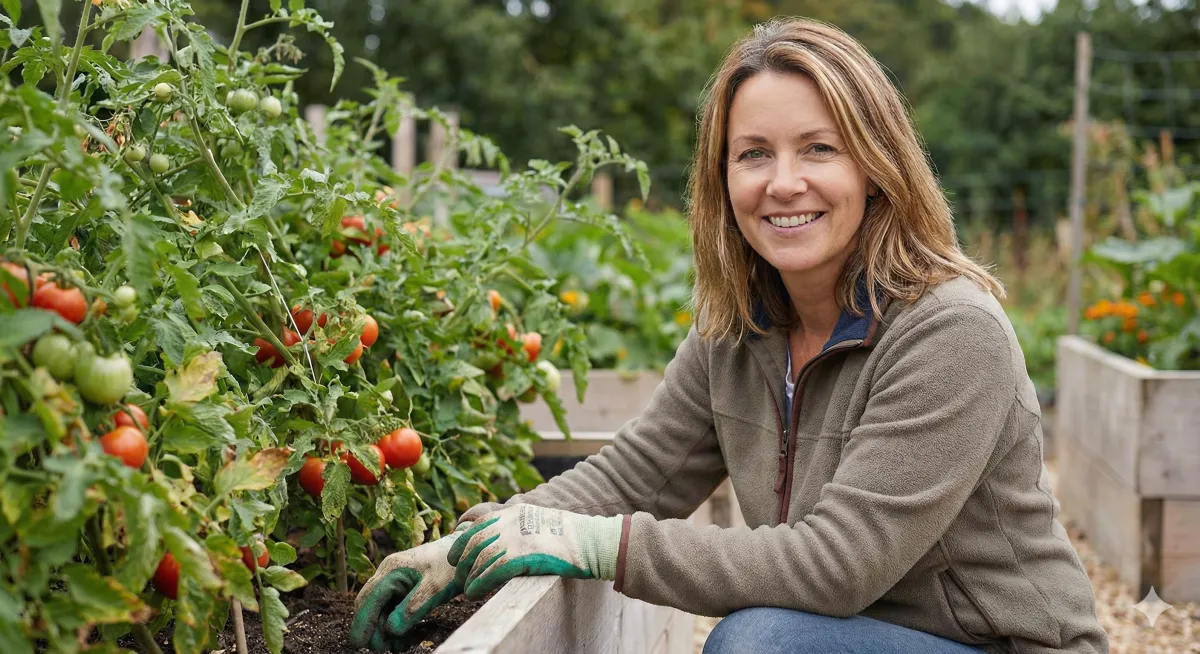
Image: Gemini AI-generated background
This became the foundation of her wellness architecture: Dinacharya, the Ayurvedic daily routine that becomes your health foundation..
The Holistic Framework: More Than Just Food
Karin's wellness approach isn't a single diet or exercise program. It's a complete lifestyle architecture built on:
Whole food, plant-based diet (organic, unprocessed)
Movement (yoga, walking, strength training)
Schedule and routine (intentional calendar management)
Stress reduction (breathwork, meditation)
Purpose and relationships (connection and meaning)
Her philosophy on food is unequivocal:
"Every health organization of every major nation across the world has said a plant-based diet is the way to go for health. And it's not just plant-based. It's gotta be whole food... It's the processed foods that are really hurting us."
White flour, white sugar, anything heavily processed as these create blood sugar spikes, fat deposits, metabolic syndrome, and worse outcomes. Her advice? "Stick with whole foods, unprocessed, organics."
Motherhood: When the Mission Becomes Generational
Karin's approach shifted profoundly when she became a mother. Suddenly, it wasn't just about managing her own health and it was about teaching her son, supporting her husband, and creating a legacy.
But it's her perspective on mothers' role in societal healing that stopped me in my tracks:
"The healing of the Western world is the responsibility of women. We are the foundation of what is being done in the household and what people are buying and what our families are eating... We could heal the world with whole food, holistic, healthy, plant-based, gentle approaches."
This isn't about pressure or perfection. It's about recognizing the profound influence mothers have, and channeling it intentionally.
Her Message to Women in Crisis
Perhaps the most powerful moment in our conversation came when I asked what advice she'd give a woman newly diagnosed with a chronic condition.

Image: Gemini AI-generated background
Her answer was pure compassion:
"Prioritize your health, your care first. Your family depends on you. Give yourself a kind heart and start learning to manage your energy. You can start small."
Her practical steps:
Breathe deeply and pay attention
Take walks, especially after meals
Start meal prep with intention
Support your cellular health
Be compassionate with yourself
And crucially: "Even if you have diabetes, and even if you aren't perfect, you can live a happy, healthy, vibrant lifestyle."
What Makes Karin's Approach Unique
Karin's expertise stands out for three key reasons:
1. Lived Experience + Research
Unlike wellness influencers sharing theories, Karin has managed Type 1 diabetes for 40 years while participating in landmark research. She's both the patient and the student of science.
2. Practical Systemization
Her emphasis on schedule and calendar is critical. Most wellness advice focuses on what to do but ignores how to sustain it. Karin's answer: build it into your daily rhythm.
3. Generational Perspective
She doesn't just coach individuals, she thinks in terms of family systems and societal healing. This aligns perfectly with my mission at The Detox Diaries: teaching women to build wellness legacies their children will mirror.
Areas for Further Exploration:
While Karin's approach is holistic, I'd love to see more specific guidance on navigating social situations, budget constraints, and family resistance including challenges many women face when implementing major lifestyle changes.
Her Mission Now
Today, Karin is working on a book, hosting masterclasses on Eventbrite, and coaching women one-on-one. Her goal? "To let people know that even if you aren't perfect, you can live a happy, healthy, vibrant lifestyle... not just for yourself, but in support of your greatest purpose and your family and the world."
She's proof that diagnosis doesn't have to be destiny. Chronic disease can be the catalyst for profound transformation in purpose, legacy, and impact.
Join the Conversation
Do these findings resonate with your experience? Are you part of the 86.7% navigating doubt.or the 13.3% who feel confident?
The Detox Diaries podcast launches Q1 2026 with real transformation stories, practical frameworks, and a community of women building healthier households together.
Your voice matters. Your choices matter. Your legacy matters.
Where to Find Karin
🔗 Link Tree: karinc.com
📘 Facebook: Karin Collinsworth
📸 Instagram: @karinc
Karin offers one-on-one coaching, masterclasses, plant-based nutrition guidance, and support for women managing chronic condition
ABOUT THE DETOX DIARIES
The Detox Diaries is an interview series featuring real women who've transformed their lives through clean, sustainable living and are now empowering others to do the same. Each story proves that wellness isn't about perfection, it's about empowerment, community, and building a legacy worth passing down.
Read more stories: https://www.justsoakin.com/blog
Follow us on: Linked in: Sabrina Messomanah | Instagram | Linktree I IG: @justsoakin
Transparency Statement:
AI tools (Claude,Canva AI and Gemini) were used to enhance presentation quality, identify data patterns more efficiently, generate supporting visual assets, and refine communication clarity of this interview.
